IVF Treatment in Surat, India
Every woman deserves expert healthcare. Dr. Deep Gajiwala, a trusted gynecologist and laparoscopic surgeon in Surat, offers safe, effective and highly specialised treatments.
IVF, or in vitro fertilization, is a multi-step process that can result in a successful pregnancy. This fertility treatment is often recommended for individuals or couples who have struggled with infertility, a condition defined as the inability to conceive even after a year or more of attempting to get pregnant. Additionally, IVF can also be utilized to minimize the risk of passing on inherited genetic disorders to offspring.
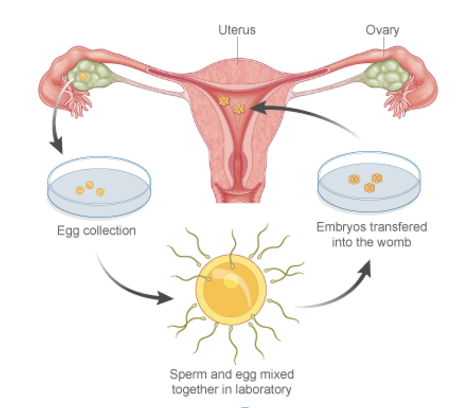
In the process of in vitro fertilization, mature eggs are retrieved from the ovaries and fertilised with sperm in a laboratory setting. Subsequently, one or more of the resulting fertilized eggs, known as embryos, are transferred into the uterus for further development into a baby. A complete IVF cycle typically spans around 2 to 3 weeks, although it can be divided into separate stages, potentially extending the overall duration.
In vitro fertilization is a most successful form of fertility treatment, which involves manipulating eggs, sperms and embryos outside the body. This category of treatments is collectively known as assisted reproductive technology.
IVF can be performed using couples own eggs and sperms, or it may involve the use of eggs, sperm, or embryos from a donor, whether known or unknown. In certain situations, a gestational carrier, who carries an implanted embryo in her uterus, might be utilized. Alternatively, a surrogate mother may be used, where an embryo is transferred to her uterus for gestation.
Success rates for having a healthy baby through IVF vary based on factors like your age and the underlying reason for your infertility. Additionally, IVF treatment typically requires a series of procedures that can be lengthy, costly, and physically demanding. If multiple embryos are transferred into the uterus, it may lead to a pregnancy with more than one baby, known as a multiple pregnancy.
Your Doctor can assist you in comprehending the process of IVF, informing you about potential risks, and determining if it is suitable for your situation.
Why it's done
IVF is a method used to address infertility or genetic issues. Prior to undergoing IVF for infertility, alternative treatments with less invasive procedures may be considered for you and your partner. For instance, fertility medications can assist in stimulating the ovaries to produce more eggs. Another option is intrauterine insemination, which involves placing sperm directly into the uterus around the time of ovulation to increase the chances of conception.
IVF is occasionally recommended as a primary solution for fertility issues in individuals who are 40 years old or older. It may also be considered in cases of specific medical conditions.
For instance, IVF might be a suitable choice if either you or your partner has:
- Fallopian tube damage or blockage : Damage or blockage in the fallopian tubes can obstruct the passage of eggs from the ovaries to the uterus. If both tubes are affected, it can hinder fertilization of the egg or the embryo's journey to the uterus.
- Ovulation disorders : Irregular ovulation patterns can hinder fertility by reducing the number of eggs released for potential fertilization, when ovulation fails to occur or happens infrequently.
- Endometriosis: Endometriosis is a medical condition characterized by the growth of tissue similar to the uterine lining outside of the uterus. It commonly impacts the ovaries, uterus, and fallopian tubes.
- Uterine Fibroids : Uterine fibroids are noncancerous growths found in the uterus, typically affecting individuals in their 30s and 40s. These growths may interfere with the attachment of a fertilized egg to the uterine lining.
- Tubal ligation : A surgical procedure to prevent conception, known as tubal ligation, involves obstructing the fallopian tubes to achieve permanent birth control. However, if you later desire to become pregnant, in vitro fertilization (IVF) may be suitable if you are unable or unwilling to undergo a reversal surgery to restore your fertility.
- Issues with sperm : Difficulties related to sperm can include a decreased sperm count or abnormal alterations in their mobility, size, or structure, which can hinder the fertilization of an egg. If tests reveal problems with sperm, it may be necessary to consult with a fertility expert to explore potential treatable conditions or other health issues.
- Unexplained infertility : This refers to cases where medical tests are unable to identify the underlying cause of a person's inainfertility.
- A genetic disorder : If you or your partner is a carrier of a genetic condition that could be passed on to your offspring, your healthcare provider may suggest undergoing a process related to IVF. This procedure is known as preimplantation genetic testing. Following the retrieval and fertilization of the eggs, embryos are examined for specific genetic diseases. However, it's essential to note that not all genetic diseases can be detected through this testing. Embryos that appear to be free of genetic diseases can then be transferred to the uterus for implantation.
- To preserve fertility due to cancer or other health conditions : Some individuals may want to preserve their fertility due to a cancer diagnosis or other medical conditions impact their fertility. Certain cancer therapies, such as chemotherapy and radiation, can be detrimental to fertility. In such cases, in vitro fertilization ( IVF) is a viable option for having a child in the future. This involves retrieving eggs from the ovaries and cryopreserving them for later use, or fertilizing the eggs and freezing the resulting embryos.
- Alternatively, individuals with a non-functional uterus or those for whom pregnancy poses significant health risks may opt for IVF using a gestational surrogate, where the fertilized eggs are implanted in the surrogate's uterus, allowing them to carry the pregnancy to term.
Complications of IVF
In vitro fertilization (IVF) is associated with an increased risk of various health complications, ranging from immediate to long-lasting effects, including:
- Stress : Stress can take a toll on both the body and mind during IVF treatment, along with the financial strain it may bring. Seeking support from counselors, family, and friends can be beneficial in navigating the challenges and uncertainties that come with infertility treatment.
- Complications from the procedure to retrieve eggs : A potential risk associated with egg retrieval is complications during the procedure, where a needle guided by ultrasound is inserted through the vagina to collect eggs from the ovaries. This may lead to bleeding, infection, or damage to surrounding organs. Additionally, the use of anesthesia to alleviate pain and promote sleep during the procedure carries its own set of risks.
- Ovarian hyperstimulation syndrome : Furthermore, the use of fertility medications, such as HCG, which is used to trigger ovulation, can lead to ovarian hyperstimulation syndrome, a condition characterized by swollen and painful ovaries, which can be a serious complication of IVF treatment.Typically, these issues persist for about a week, manifesting as moderate abdominal discomfort, swelling, stomach upset vomiting, and loose stools. In the event of pregnancy, these symptoms may extend for several weeks. In exceptional cases, a more severe variant of ovarian hyperstimulation syndrome can occur, leading to sudden weight gain and breathing difficulties.
- Miscarriage : Miscarriage rates for individuals who undergo IVF with fresh embryos are comparable to those who conceive naturally, ranging from about 15% for those in their 20s to over 50% for individuals in their 40s, with the rate increasing as the person's age advances.
- Ectopic Pregnancy : Ectopic pregnancy occurs when a fertilized egg attaches outside the uterus, often in a fallopian tube, posing risks as the embryo cannot survive in that location.
- Multiple Pregnancies : IVF increases the likelihood of a multiple birth, which is associated with a higher risk of various pregnancy complications. These include a greater chance ofgestational diabetes, premature labor and delivery, lower birth weight of baby, and a higher incidence of birth defects compared to a singleton pregnancy.
- Birth Defects : The primary factor contributing to birth defects is the mother's age, regardless of the method of conception. Assisted reproductive techniques like IVF have been associated with a slightly increased likelihood of babies being born with heart problems, digestive issues, or other medical conditions. Further investigation is required to determine whether IVF directly contributes to this elevated risk or if other factors are involved.
- Premature delivery and low birth weight : Studies indicate that undergoing IVF may slightly increase the chances of premature birth or the baby being born with a low weight.
- Cancer : Research on the link between fertility treatments and cancer has yielded mixed results. Initially a possible connection between certain medications used to promote egg development and a specific type of ovarian cancer. However, more recent and comprehensive studies have failed to corroborate these findings, suggesting that IVF does not significantly increase the risk of endometrial, breast, cervical or ovarian cancer.
Ready to Take Control of Your Health & Fertility?
Consult Dr. Deep Gajiwala – Expert Gynecologist, Laparoscopic & Fertility Surgeon
- From painless deliveries to advanced laparoscopic surgeries
- From egg freezing to TESA, complete fertility solutions for both men & women
We offer personalized, safe, and evidence-based solutions to help you move forward with confidence.
Call Us Now !
+91-94271 11843
- Trusted Care
- Modern Facilities
- Compassionate Approach
How you prepare
To begin, it is important to locate a trusted fertility center. The success rate of a fertility clinic is influenced by various factors, such as the age of the patients and health conditions of the individuals undergoing treatment, as well as the clinic's chosen methods of treatment. It is important to inquire about the expenses associated with each stage of the procedure when speaking with a clinic representative.
Prior to your in vitro fertilization (IVF) cycle with your own eggs and sperm, you and your partner will probably need to undergo a series of diagnostic tests.
- Ovarian reserve testing : Testing for ovarian reserve includes blood tests to determine the quantity of eggs present in the body, also known as egg supply. By analyzing the results of these blood tests, often in conjunction with an ovarian ultrasound, it is possible to anticipate how the ovaries will react to fertility medications.
- Semen analysis : A semen examination involves evaluating the fluid that carries sperm to assess its quality and quantity. This test measures the sperm count, morphology, and motility, providing valuable information about a person's fertility. It is often included in the initial assessment of fertility issues or may be conducted just prior to beginning a cycle of in vitro fertilization (IVF) treatment.
- Infectious disease screening : Both you and your partner will undergo medical checks for infectious diseases, including HIV.
- Mock ET : A mock embryo transfer is a procedure that simulates the actual transfer of an embryo into the uterus, but without using a real embryo. This test helps healthcare providers measure the uterine depth and determine the most effective technique for a future embryo transfer, increasing the chances of a successful procedure when a real embryo is inserted.
- Uterine exam : Before beginning IVF, a uterine examination is conducted to assess the inner lining of the uterus. This evaluation may consist of a procedure known as sonohysterography, where fluid is introduced into the uterus via a slender tube passed through the cervix. The presence of fluid aids in obtaining clearer ultrasound images of the uterine lining. Alternatively, the uterine examination may involve a hysteroscopy, during which a thin, flexible, illuminated telescope is inserted through the vagina and cervix to visually inspect the interior of the uterus.
Consider important questions before starting IVF treatment.
1. How many embryos will be transferred ?
The decision on how many embryos to transfer is typically influenced by factors such as age and the quantity of eggs retrieved. Older individuals may have a lower success rate of embryo implantation, leading to the transfer of more embryos. However, exceptions may apply for those using donor eggs from a younger individual, genetically tested embryos, or in specific circumstances. To avoid the risk of a multiple pregnancy with triplets or more, most healthcare providers adhere to established guidelines. In certain countries, legislation restricts the maximum number of embryos that can be transferred. It is crucial to reach a mutual agreement with your healthcare team regarding the number of embryos to be transferred before the procedure is carried out.
What will you do with any extra embryos ?
If you have surplus embryos, you'll need to consider your options for their disposition. Fortunately, embryos can be cryopreserved for extended periods, although some may not withstand the freezing and thawing process. Having frozen embryos on hand and reduce the cost of subsequent IVF cycles. Alternatively, donate them to another couple or a research institution, or dispose of them. It is important to be prepared to make decisions regarding extra embryos.
How will you handle a multiple pregnancy ?
When multiple embryos are transferred to the uterus, there is a possibility of a multiple pregnancy, which can increase the risk of complications for both the mother and the babies. a procedure known as selective reduction may be an option to reduce the number of fetuses and minimize health complications. However, this decision involves significant emotional, psychological, and moral considerations, and should not be taken lightly.
Have you considered the potential risks associated with utilizing donor eggs, sperm, embryos, or a gestational carrier ?
A specialist counselor with donor-related matters can guide you through the complexities, including the donor's legal entitlements. Additionally, you may require the services of a lawyer to prepare and submit necessary documents to establish your developing embryo.
What You can expect?
Once all preliminary steps are taken, a single round of IVF typically spans 2 to 3 weeks. However, multiple rounds may be required to achieve success.
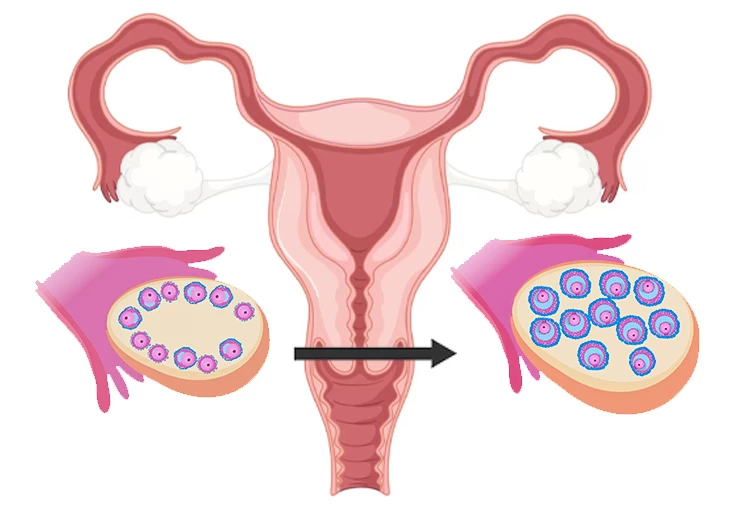
The process unfolds in the following stages : Initiating the IVF process involves stimulating the ovaries with specially designed medications to produce multiple mature eggs, rather than the typical single egg released during a menstrual cycle. This approach is necessary because not all eggs will successfully fertilize or develop properly when mixed with sperm, so having multiple eggs increases the chances of a successful outcome.
Medications That Can Be Used For:
Stimulate the ovaries
Hormone injections may be administered to encourage the ovaries to produce multiple eggs simultaneously. These injections typically contain one or both of two key hormones: follicle-stimulating hormone (FSH), luteinizing hormone (LH), or a combination of both.
Help eggs mature
Medications such as human chorionic gonadotropin (HCG) or other fertility treatments can stimulate the eggs to reach full maturity and prepare for ovulation, allowing them to be released from their follicular sacs in the ovaries.
Delay ovulation
These medications work by postponing the release of developing eggs in order to delay ovulation.
Prepare the lining of the uterus
You may begin taking progesterone supplements on the day of egg retrieval or around the chances of a successful implantation by preparing the uterine lining to receive a fertilized egg.
Your physician determines the medications to administer and the timing of their administration.
Typically, it will require 1 to 2 weeks of ovarian stimulation before your eggs are prepared for retrieval using the egg retrieval process. Some methods to determine the readiness of the eggs may include:
Vaginal Ultrasound
A vaginal ultrasound is a diagnostic imaging test that focuses on the ovaries, monitoring the growth of follicles, which are the sacs within the ovaries where eggs ripen and develop.
Blood Tests
Blood tests are conducted to monitor your body's reaction to the medications used for ovarian stimulation. Estrogen levels typically increase as ovarian follicles mature, while progesterone levels generally stay low until ovulation occurs.
Understanding the Reasons for Premature Cancellation Before Egg Retrieval:
- Follicular development is insufficient.
- An excessive number of follicles mature, increasing the likelihood of ovarian hyperstimulation syndrome.
- Premature ovulation occurs.
- Additional health complications may arise.
In the event that your cycle is canceled, your healthcare providers may suggest adjusting the medications or dosages you are using. This adjustment could potentially result in improved outcomes for your future IVF cycles. Alternatively, they may recommend exploring egg donation as a viable option.
Egg retrieval
This process involves retrieving eggs from one or both ovaries. typically done in a fertility clinic. It is conducted approximately 34 to 36 hours following the last dose of fertility medication and prior to ovulation.
- Prior to the egg retrieval procedure, you will be administered medication to promote relaxation and minimize discomfort.
- Subsequently, a fine needle is guided through the ultrasound probe and into the follicles to retrieve the eggs, a method known as transvaginal ultrasound aspiration.
- Following the procedure, you may experience discomfort, including cramping and a sensation of heaviness or tightness.
- Matured eggs are submerged in a solution that aids their growth. Eggs that seem to be in good health and fully developed will be combined with sperm in an effort to generate embryos. However, not every egg can be successfully fertilized.
- A specialized ultrasound probe is then inserted into the vagina to locate the follicles, which are fluid-filled sacs within the ovaries that contain the eggs.
- If accessing the ovaries via the vagina is not feasible, an alternative method involves using an ultrasound of the abdominal region to help direct the needle from the stomach into the ovaries. The eggs are extracted from the follicles using a needle attached to a suction device, allowing for the removal of multiple eggs within approximately 20 minutes.
Sperm retrieval
If you are using your partner's sperm, it must be collected either on the same day as the egg retrieval procedure at the doctor's office or clinic, or it can be collected in advance and frozen for later use.
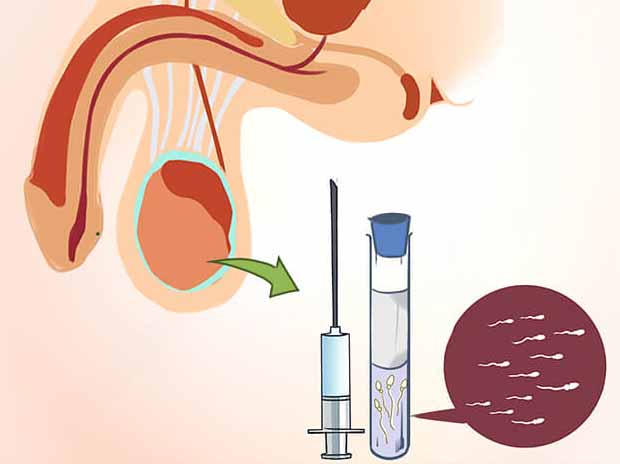
Frequently, the collection of a semen sample involves masturbation, but alternate methods are available for individuals who are unable to ejaculate or have no sperm in their semen. One alternative method is testicular aspiration, which involves using a needle or surgery to extract sperm directly from the testicle. In some cases, sperm from a donor may also be utilized. In the laboratory, the sperm is separated from the seminal fluid.
Fertilization
Two Approaches to Fertilize Sperm and Eggs.
IVF
Traditional fertilization process involves combining viable sperm and developed eggs in a regulated setting known as an incubator.
Intracytoplasmic sperm injection (ICSI)
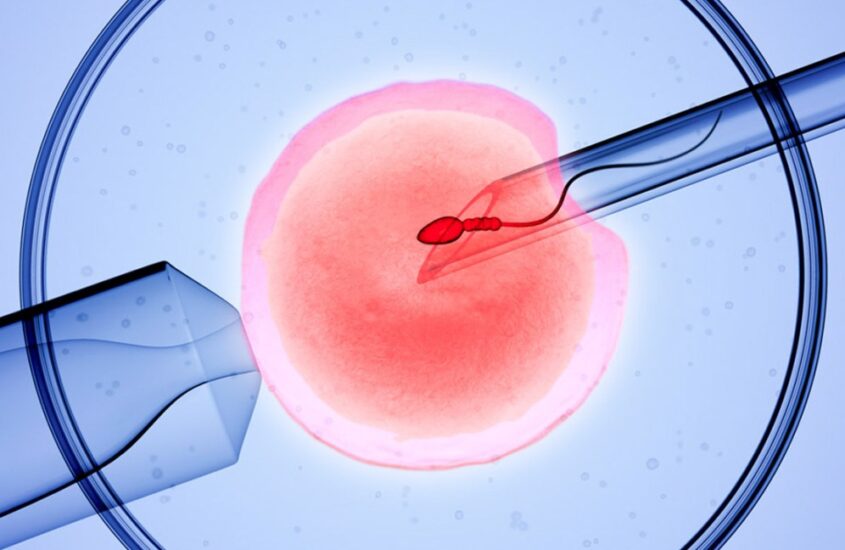
During ICSI, a single viable sperm is directly inserted into a mature egg. This technique is commonly employed when there are concerns about the quality or quantity of sperm, or if previous attempts at fertilization through IVF have been unsuccessful.
Under specific circumstances, additional steps may be advised prior to transferring embryos to the womb. These may involve:
- Assisted hatching : Around 5 to 6 days following conception, a developing embryo breaks free from the outer membrane that encases it, a process known as assisted hatching. Once released, the embryo is able to implant itself into the uterine lining, marking a crucial step in the early stages of pregnancy. Assisted hatching is a procedure that may be suggested for older individuals looking to conceive or for those who have experienced unsuccessful IVF attempts in the past. It involves creating a small opening in the embryo's membrane before it is implanted in the uterus. This step facilitates the embryo's hatching and successful attachment to the uterine lining. The technique is particularly beneficial for frozen eggs or embryos, as the freezing process can cause the membrane to become rigid.
- Preimplantation genetic testing : Preimplantation genetic testing involves allowing embryos to grow in an incubator until they reach a specific stage suitable for taking a small biopsy. This biopsy sample is then analyzed for specific genetic diseases or the accurate count of chromosomes, which are threadlike structures of DNA. Typically, each cell contains 46 chromosomes. Embryos free of the targeted genes or correct chromosome count can then be transferred to the uterus. Preimplantation genetic testing can reduce the likelihood of a parent transmitting a genetic disease but cannot eliminate the risk entirely. Prenatal testing might still be advised throughout the course of pregnancy.
The process of transferring one or more embryos into the uterus typically occurs in a medical office or fertility clinic, usually within a timeframe of 2 to 6 days following egg retrieval.
- A gentle sedative may be provided to help you feel more at ease. The process is typically not painful, although you may experience slight cramps.
- A thin and long, flexible catheter is gently inserted through the vagina and cervix, reaching into the uterine cavity.
- A specialized syringe filled with one or more embryos suspended in a minimal amount of fluid(Media) is then connected to the catheter's end.
- The syringe is used to carefully release the embryo or embryos into the uterus.
If the procedure is successful, implantation typically occurs 6 to 10 days after the initial egg retrival process.
After the procedure
Following the embryo transfer, you can resume your regular daily activities. It is possible that your ovaries may still be enlarged, so engaging in strenuous activities or sexual intercourse could be uncomfortable. It is recommended to consult your fertility consultant to determine how long you should refrain from these activities.
Typical side effects include:
- the discharge of a small amount of clear or bloody fluid right after the procedure, this is due to the swabbing of the cervix before the embryo transfer.
- breast tenderness due to raised estrogen levels.
- slight bloating
- mild cramping,
- constipation.
If you experience moderate or severe pain, or notice heavy vaginal bleeding following the embryo transfer, it is important to contact your fertility consultant team. Such symptoms may indicate the need for evaluation to rule out potential complications like infection, ovarian torsion, or ovarian hyperstimulation syndrome.
Results:
A blood test is typically scheduled around 12-14 days following egg retrieval to determine if ayou are pregnant or not.
- If you're pregnant : expectant mothers are typically directed to a healthcare provider who specializes in pregnancy and childbirth, such as an obstetrician, for regular check-ups and medical guidance throughout their pregnancy.
- If you're not pregnant, progesterone treatment or all other medicines will be discontinued, and menstrual bleeding typically resumes within seven days. If menstruation does not occur or if unusual bleeding is experienced, it is essential to notify the healthcare team. For those interested in pursuing another round of IVF, the care team may offer recommendations to enhance the likelihood of success in future attempts.
Factors influencing the likelihood of having a healthy baby through IVF.
Maternal age
A woman's age plays a significant role in her ability to conceive and carry a healthy pregnancy through in vitro fertilization (IVF) using her own eggs. Generally, the likelihood of success decreases with age, and women over 40 are often advised to consider using donor eggs to increase their chances of a successful outcome.
Reproductive history
Individuals with a prior history of childbirth have a higher chance of achieving pregnancy through IVF compared to those who have never given birth. individuals who have undergone multiple unsuccessful IVF attempts in the past may face lower chances of success.
Embryo status
The stage of an embryo's development can impact the success of a transfer. Generally, more mature embryos are associated with better pregnancy outcomes than those that are less mature. However, not every embryo will continue to develop normally. It's essential to discuss your individual circumstances with your fertility consultant to determine the best approach for your situation.
Lifestyle factors.
Tobacco use, for example, can reduce the number of eggs available for retrieval and increase the risk of miscarriage. Excess weight can also hinder fertility and pregnancy outcomes. Additionally, excessive consumption of substances such as alcohol, caffeine, and certain medications, as well as illicit drug use, can all have detrimental effects on IVF success rates.
Cause of infertility
A higher quantity of eggs can increase the likelihood of successful pregnancy through IVF. Individuals with severe endometriosis have a lower chance of achieving pregnancy through IVF compared to those with unexplained infertility.
Discuss your individual circumstances with your fertility consultant to understand how they might impact your likelihood of achieving a healthy pregnancy.
Contact Us
We’re here to help you with every step of your health journey. Whether you’re booking a consultation, have a question, or need directions — feel free to reach out!
Number :
+91-94271 11843
Email :
info@drdeep.com
Address 1 :
ANSH Hospital 32, Mahernagar, Opp Star Bazar, Fire Station Lane, Adajan Road, Surat.
Timing : 09:00 am- 10:30 am and 06:00 pm- 08:00 pm
Address 2 :
Bavishi Fertility Institute, Param Doctor House, Lal Darwaja Station Rd, Lal Darwaja, Varachha, Surat, Gujarat 395008
Timing : 10:30 am - 06:00 pm
Book An Appointment

Dr. Deep Gajiwala is an experienced Obstetrician & Gynecologist in Surat, specializing in pregnancy care, deliveries, and gynecological surgeries with a focus on comfort, safety, and compassion.
Contact Info
Call Us : +91-94271 11843
Email : anshhospitalsurat@gmail.com
Address 1 : ANSH Hospital 32, Mahernagar, Opp Star Bazar, Fire Station Lane, Adajan Road, Surat.
Address 2 : Bavishi Fertility Institute, Param Doctor House, Lal Darwaja Station Rd, Lal Darwaja, Varachha, Surat, Gujarat 395008